
The greater Tucson area is widely recognized as a premier retirement destination for seniors, offering a combination of affordability, a warm climate, and an active, community-focused lifestyle. Ranked by Forbes as one of the best places to retire in 2025, the region provides a high quality of life with a cost of living 10% lower than the national average. [1, 2, 3]
Winter in Tucson is its own kind of magic: saguaros wearing Santa hats, 70-degree afternoons, and neighborhoods so packed with lights you can probably see them from the International Space Station!
If you’re looking for festive, open-to-the-public events that are free or easy on the wallet between Thanksgiving and New Year’s Day, the greater Tucson area absolutely delivers. Here’s a curated guide to the best options—from downtown Tucson to Oro Valley, Marana, Sahuarita, and beyond.
For those unfamiliar with the term “staycation,” it’s a vacation spent in one’s local area. In the following list, we’ve assembled some staycation ideas for senior citizens in the Greater Tucson area, with a focus on comfort, enrichment, accessibility, and local charm. Keep in mind that some of these ideas might not be appropriate during the extreme heat of our Tucson summers (see the “Cooler Getaways” section below).
Senior citizens in the greater Tucson area have access to a variety of discounts across multiple sectors, enhancing affordability and enriching their lifestyle. Below is a curated list of some of the best discounts available:
Tucson, January 9, 2025: Milagro on Oracle, a new affordable housing complex located at 2445 N. Oracle Rd. in Tucson, has officially opened its doors, providing 63 residences for seniors aged 55 and older. This development is a significant step in addressing the city’s housing crisis, offering much-needed accommodations for low-income seniors and individuals experiencing homelessness.
When your loved one suffers from a serious chronic or terminal illness where a cure is improbable, and treatment is unlikely to change or slow its course, your family may have difficult decisions to make. This can be a particularly stressful time for everyone involved and the services of a hospice organization can assist with making end of life decisions as well as provide care and services to your family. Those hospice services are often provided at the patient’s home.
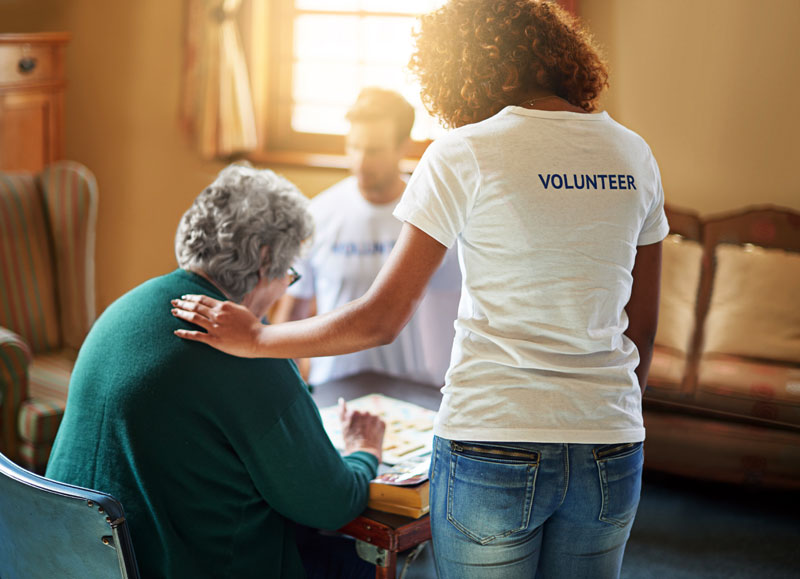
Volunteering to be a hospice care worker is one of the most compassionate ways to help others, but many people aren’t sure exactly what is involved in providing hospice care. There may be misconceptions about the responsibilities and tasks of the volunteer in a hospice setting. But volunteers are an essential part of every hospice care team. In fact, hospice service was originally started by volunteers and now requires patients to have access to volunteers as part of the treatment plan.

Hospice care plays a vital role in supporting individuals and their families during one of life’s most challenging periods. However, misconceptions about hospice care often lead to misunderstandings and hesitations. In this article, we’ll debunk some common myths surrounding hospice care to provide clarity about the valuable services it offers.

Most people who have experienced the gradual loss of a loved one are familiar with hospice services. Today, hospices are considered the model for quality, compassionate care for life-limiting illnesses. But hospice care wasn’t always available to patients who needed it. Learn about the origins of hospice as we know it today with this brief history of hospice care.

We’re once again proud to sponsor the Tucson Classics Car Show. Come out and join us October 21st, 10am-4pm, Gregory School Parking lot.

During hospice care, the end-of-life process can have a profound impact on the lives of all those involved. Social workers bring particular skills to the caregiving team, including working with families from varying cultures and socio-economic status. Their training helps them relate to people within a social and cultural context. The social worker can also identify resources, beyond the health care system, which may help the family cope with situations involving life-limiting illness, dying, grief and bereavement.

When grieving the loss of a friend or family member who has been under hospice care, it helps knowing that their last days were made as comfortable and as pain-free as possible. Opting for hospice care means that the patient and family probably had some time to make end-of-life preparations. Nevertheless, when the moment arrives, we may find it challenging to fully cope with our own sorrow and the grief experienced by those around us.

Hospice care is a type of specialized medical care that is focused on providing comfort and support to patients with a terminal illness or condition. The goal of hospice care is to improve the quality of life for patients and their families by managing symptoms, relieving pain, and addressing emotional and spiritual needs.

CNAs (Certified Nursing Assistants), also referred to as Home Health Aides, have been called the unsung heroes of hospice care. Their role, as part of the hospice team, is crucial. Under the supervision of a RN (Registered Nurse), CNAs and Home Health Aides provide daily care to enhance a patient’s daily life, wellness and dignity – which includes essential and basic tasks, such as:

When caring for patients, care providers are concerned with patients’ physical needs as well as their emotional well-being. One way to improve a patient’s mood is to schedule a visit with a therapy pet. Whether it’s a cat, dog or a different animal altogether, pets can enter a room and immediately make it a brighter, happier place to be. A recent study reported that patients who spent 10 minutes with a therapy dog reported less pain than those getting conventional treatment alone.

While many hospice professionals focus on patients’ physical and psychological needs, spiritual care often rests with a highly skilled and compassionate member of the caregiving team: The chaplain.
As a hospice nurse, you know that you have a challenging and rewarding job. Helping people with quality care in the final stages of life is among the most important jobs of all. Not only can you support the person in need of care, but you can also provide comfort and happiness to friends and family members.
Chuck Zimmerman sent us this beautiful gift of appreciation!
Chuck Zimmerman is a local fiduciary in Tucson, AZ and Arista Home Health and Hospice has had the privilege of taking care of some of his clients over the past few years.
From the staff at Arista Healthcare,
Thank you, Chuck Zimmerman for the Edible Arrangement!
A question we hear regularly is “what are the Medicare qualifications, and do I qualify”.
Home health care includes a wide range of health and social services brought into your home to treat illness or injury. The complete services covered by Medicare’s home health benefit include skilled nursing care, therapy, and care provided by a home health aide. Depending on the circumstances, home health care will be covered by either Part A or Part B.
In hospice care, patients and their loves ones are often aware the end is near, but it does not make it any less difficult for family members to accept. Many friends and family, even nurses and caregivers, are afraid of saying the wrong thing. They do not want to make a bad impression or seem insensitive. However, the most important thing to remember is to be yourself. The end may be near, so now is the time to show how much you care.